
OSSHD Showcases Child Protection and Case Management Achievements
OSSHD Showcases Child Protection and Case Management Achievements
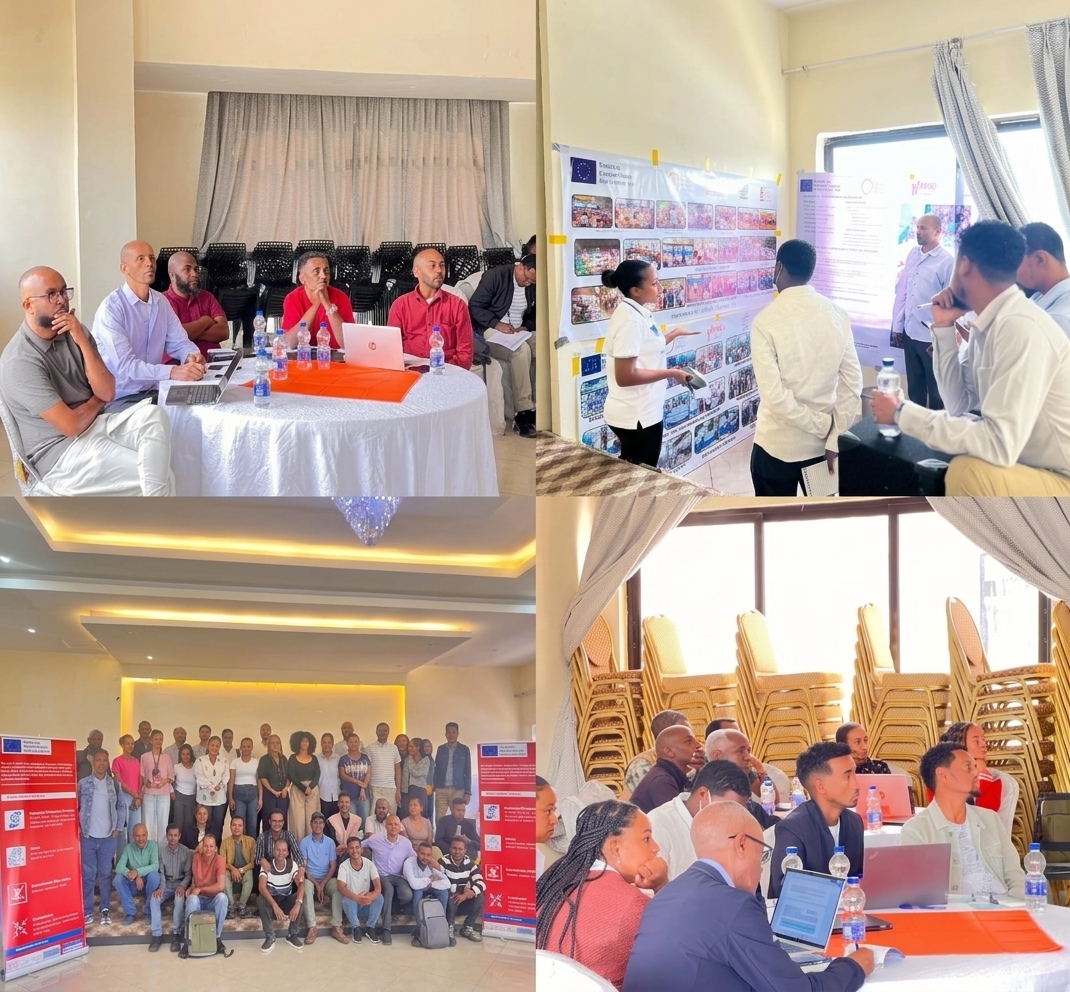
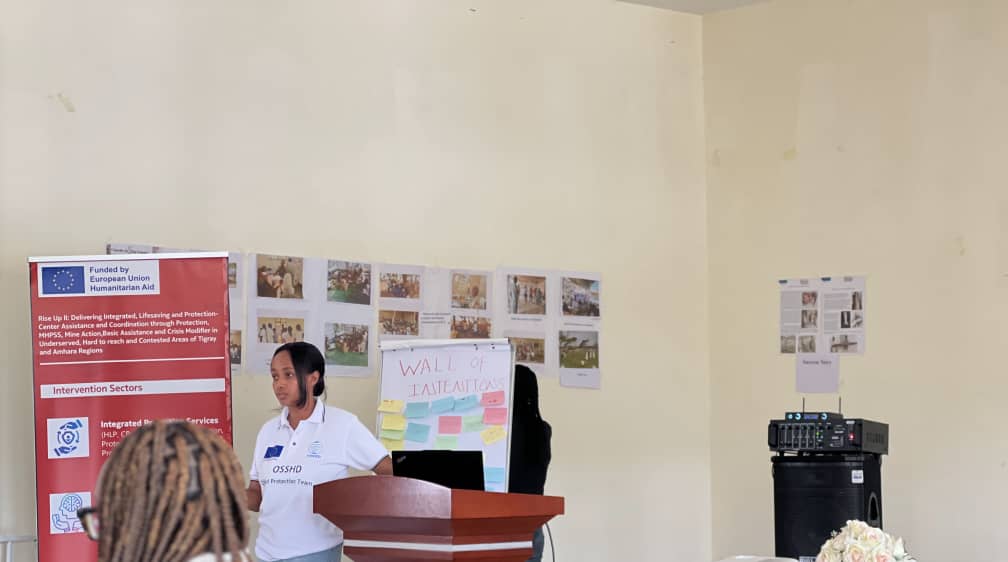
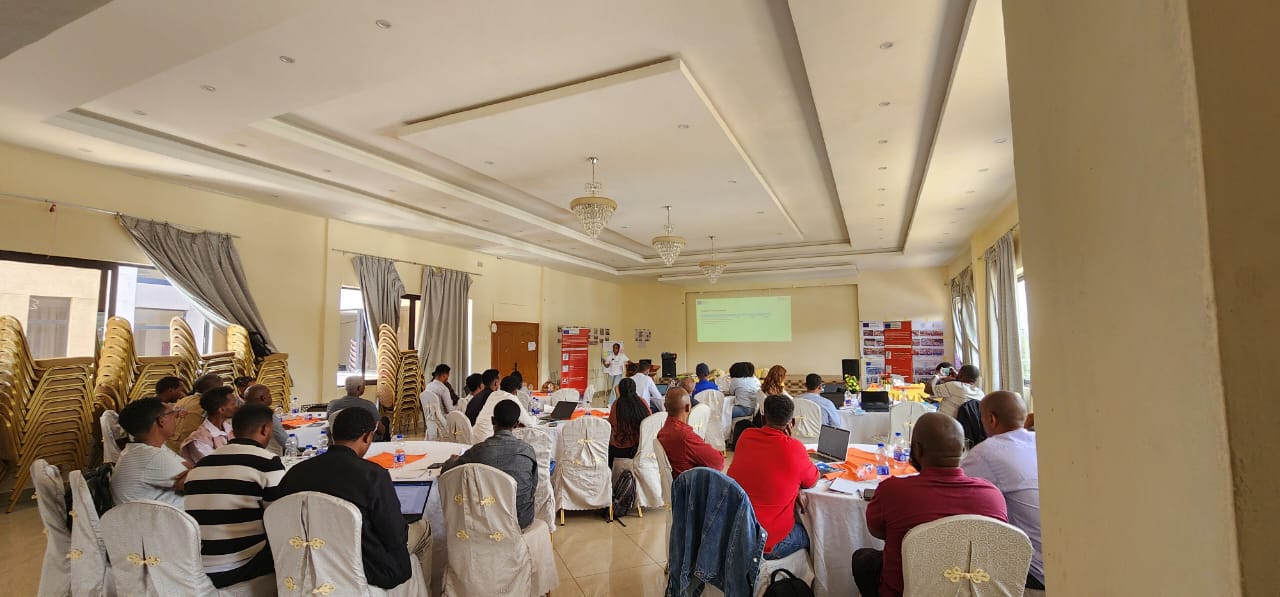
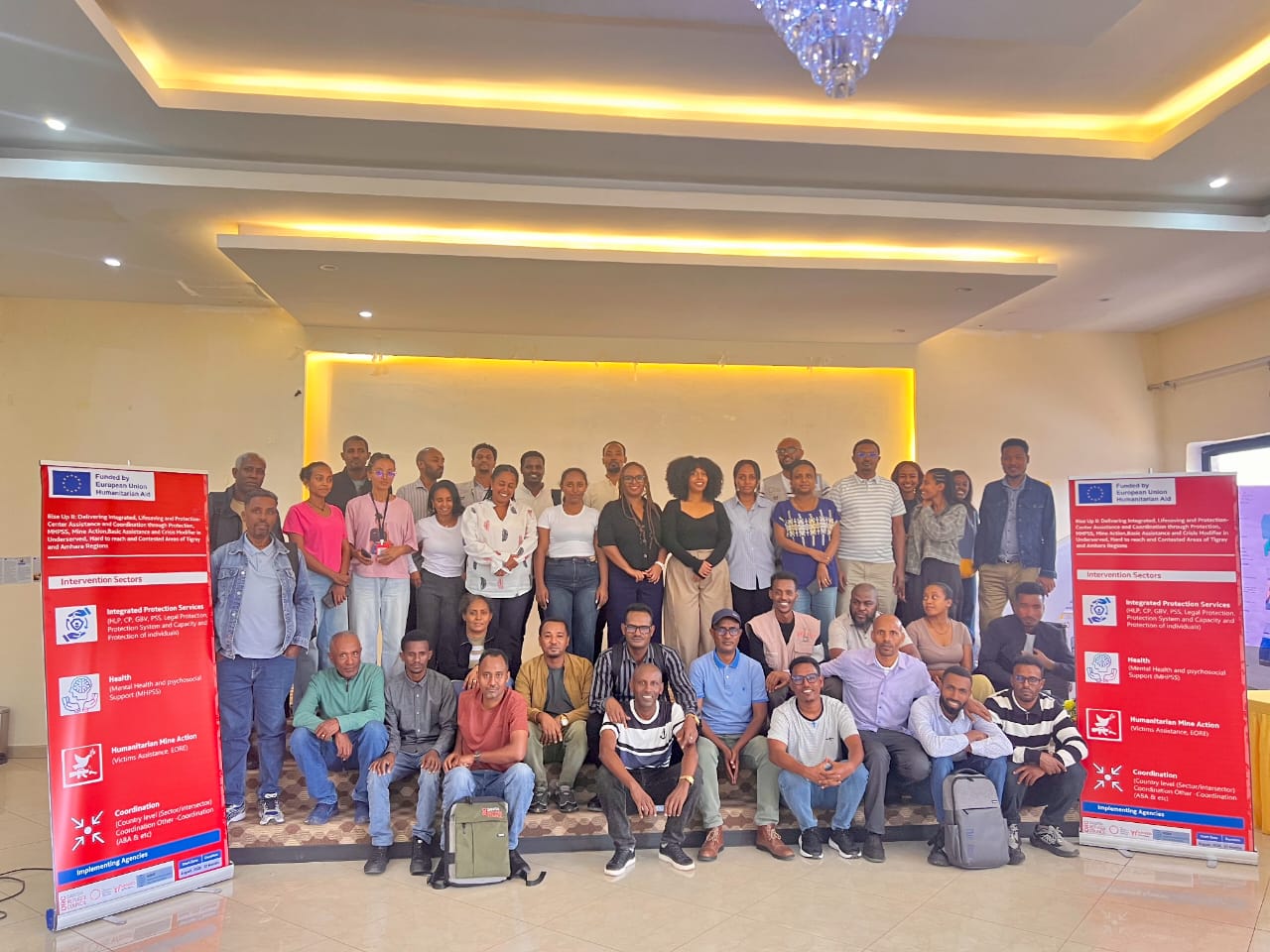
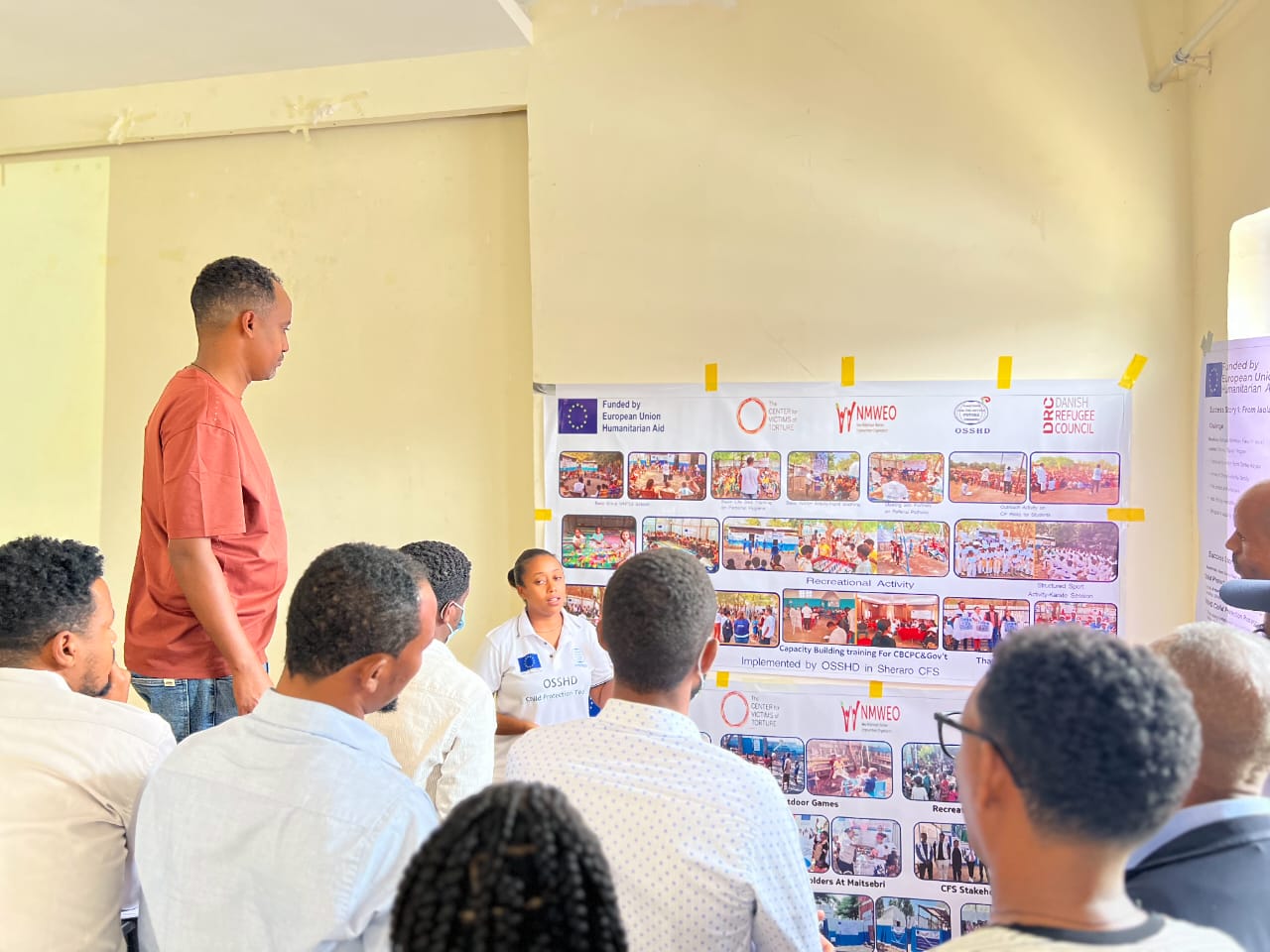
OSSHD, as a consortium member under the leadership of DRC, participated in a workshop organized by DRC in Shire from July 27–28, 2026. During the workshop, OSSHD showcased the key achievements and impact of its Child Protection and Case Management project, implemented from April 2025 to July 2026.
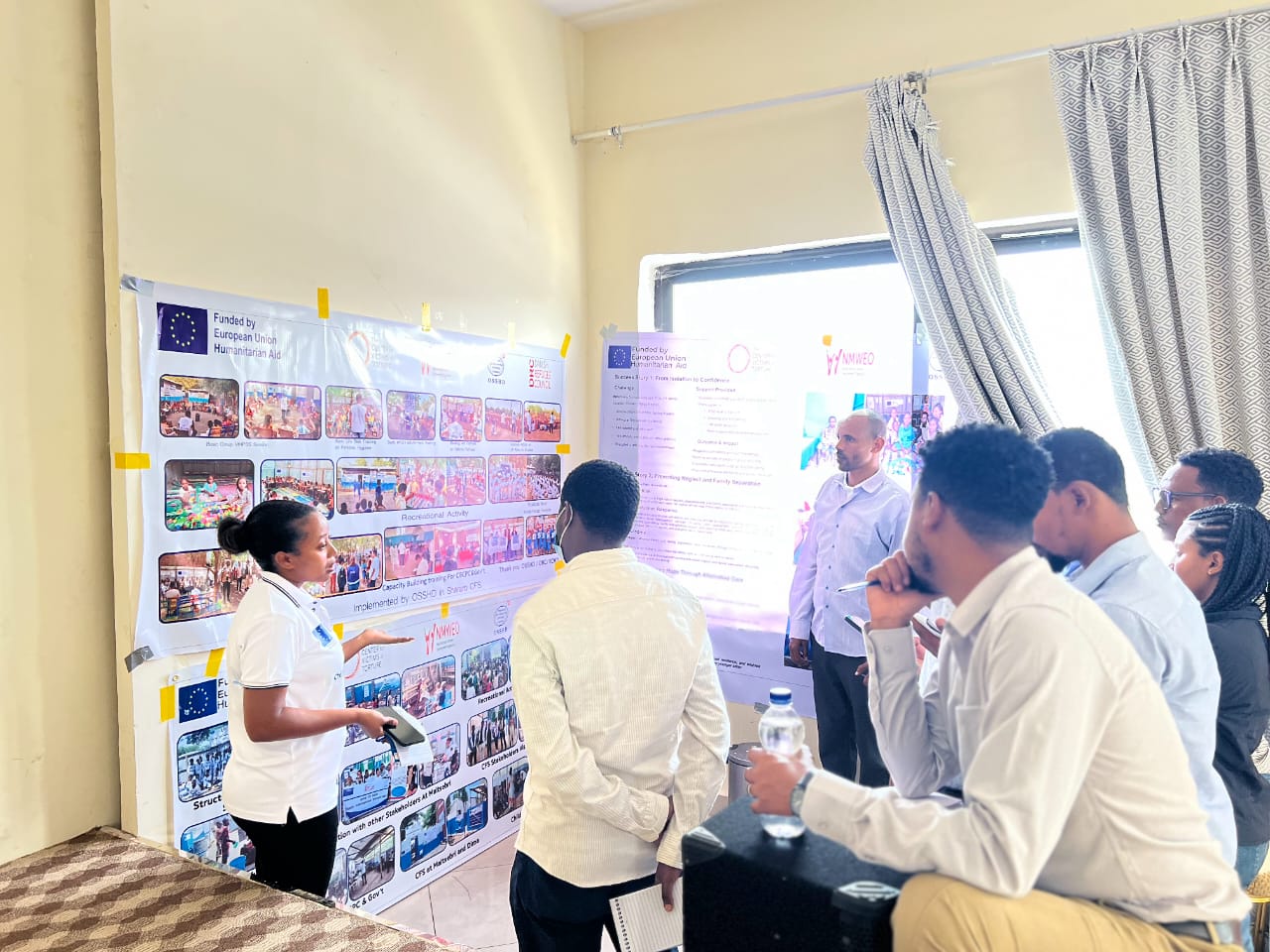
OSSHD presented a success story and gallery walk highlighting major accomplishments, results, and lessons learned throughout the project implementation. The workshop provided an important opportunity to celebrate achievements, share learning, and strengthen collaboration for the next phase of child protection and case management programming.
OSSHD Annual Report For 2025
OSSHD Annual Report For 2025
During 2025, OSSHD–Tigray Branch implemented a range of health, social protection, emergency, and humanitarian projects in partnership with national and international organizations and donors. The projects addressed critical needs including HIV prevention and support, child protection, camp coordination and management, women’s empowerment, protection monitoring, emergency food assistance, and cash support for vulnerable communities.
1. Health Programs
- HIV Prevention Activities for Female Sex Workers (FSWs) — Global Fund
- USAID MULU KP/PP Activities Project — PSI Ethiopia
- EPIC (Epidemic Control for At-Risk Populations) Project – Cost-Share Clinic — PSI/PEPFAR and DoS
- EPIC HIV Lifesaving OVC Component — FHI 360/PSI/PEPFAR and DoS
- The Thriving Child Tigray Project — BCH/NALA
2. Social Protection, Emergency and Humanitarian Programs
- Community Engagement, Women Empowerment and CCCM — UNHCR
- CCCM and NFI Support Project — RRF
- Protection Monitoring — UNHCR
- Enhancing In-Site Camp Coordination and Camp Management (CCCM) — ABA/EHF
- Child Protection and Case Management Project — ECHO/DRC
3. Other Emergency Interventions
- Lifesaving Emergency Food Support for Drought-Affected People — ECDC
- Cash Support for HIV-Positive Children — Global Giving Platform
- Emergency Multipurpose Cash Support for Drought-Affected People — DRC
Through these projects, OSSHD–Tigray Branch continued to support vulnerable populations, strengthen community-based services, and respond to urgent humanitarian needs while contributing to improved health, protection, dignity, and resilience among affected communities.
OSSHD Annual Report For 2024
OSSHD annual report for 2024
Organization for Social Services, Health and Development (OSSHD-Tigray) is a pioneer, indigenous, non-profit organization that has been serving communities in Tigray, Ethiopia, for more than 30 years. Working across Social Services, Health, and Development, OSSHD-Tigray implements practical, community-based programs that promote health, protection, inclusion, resilience, and sustainable development for vulnerable and marginalized populations.
OSSHD-Tigray has extensive experience working with children, youth, women and girls, people living with HIV, key populations, persons with disabilities, elderly people, internally displaced persons (IDPs), returnees, and conflict-affected communities. Its interventions address HIV and STI prevention, reproductive health, nutrition, gender-based violence, child protection, emergency response, IDP support, livelihoods, peacebuilding, and community resilience.
In 2024, OSSHD-Tigray implemented a diverse portfolio of projects in partnership with national and international organizations and donors. Key projects included Caring for Vulnerable Children (CVC), Community Nutrition Supplemental Fund, USAID MULU KP HIV Prevention, Global Fund HIV Prevention, and Strengthening Survivor-Centered Responses: Holistic, Comprehensive, Survivor-Centered GBV.
Under its emergency and humanitarian programming, OSSHD-Tigray implemented CCCM, Communication with Communities for the Better Life of IDPs, Area-Based CCCM in Tigray and Camp-Based CCCM in Amhara to Address the Needs of IDPs, Multisectoral Emergency Support to Relocated IDPs and Host Communities in Central Zone, Tigray Region, and Support to Conflict-Affected IDPs Recently Returned or Relocated in Sheraro.
The organization also contributed to peacebuilding, recovery, and livelihood support through projects such as Unity for Sustainable Peace: Strengthening Local Peacebuilding in Amhara and Tigray Regions and Seed and Cash Transfer Support to Farmers and Most-Needs Households in Tigray.
Through these initiatives and strong partnerships with communities, government institutions, donors, and development and humanitarian organizations, OSSHD-Tigray continues to respond to immediate needs while contributing to healthier, safer, more resilient, and empowered communities across Tigray.
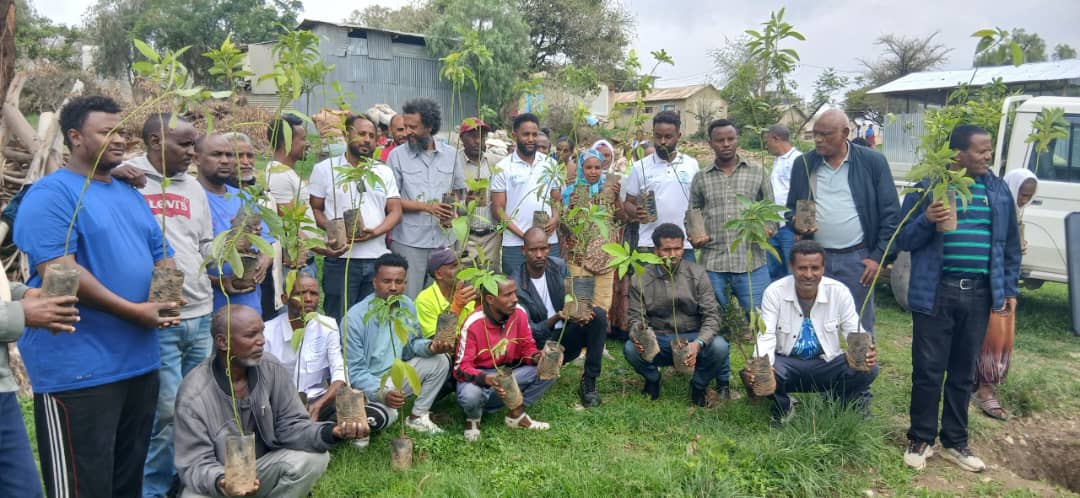
Tree Planting Event at Schools Hosting IDPs-6 August 2026
Tree Planting Event at Schools Hosting IDPs-6 August 2026
OSSHD, in collaboration with TGER, facilitated a tree-planting event at Hawelti Secondary School and Adi-Haki Secondary School, which are hosting internally displaced persons (IDPs).
More than 200 seedlings of mango and avocado were planted. The event brought together IDPs, partners, school principals, and government authorities. The tree-planting activity was intended as a reflection of gratitude and a token of remembrance, while also promoting environmental protection, community participation, and hope for a greener future.
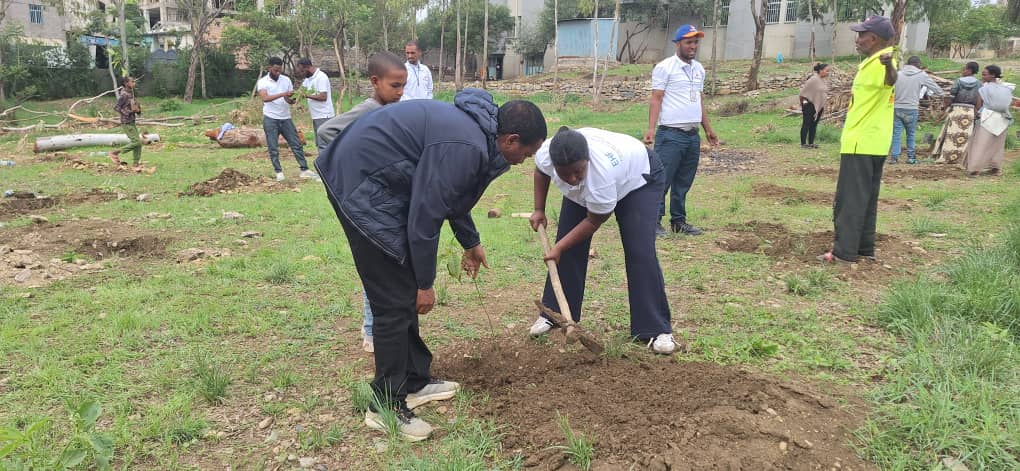
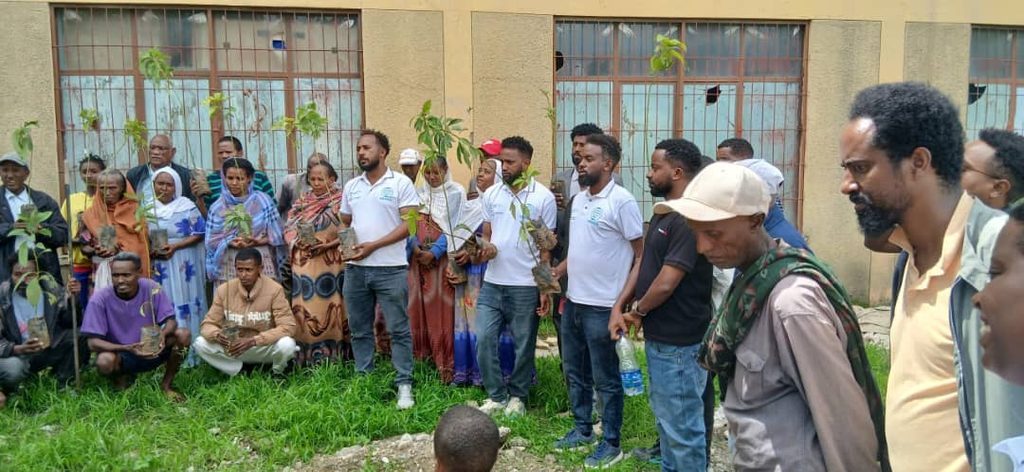
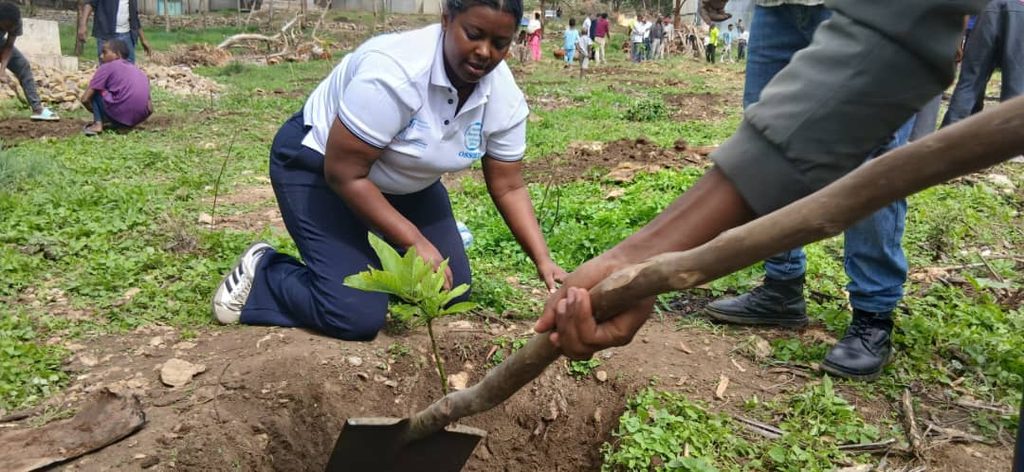
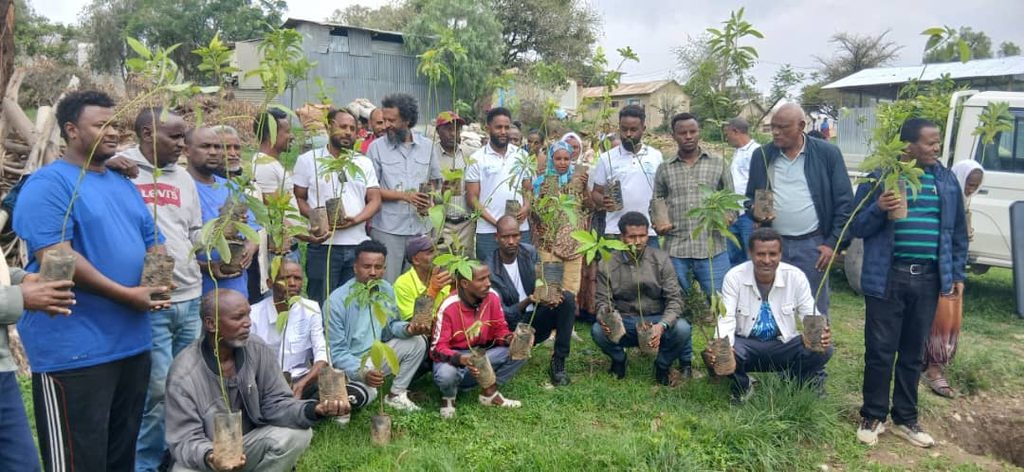
🌱 Planting trees today for a greener and more hopeful tomorrow.
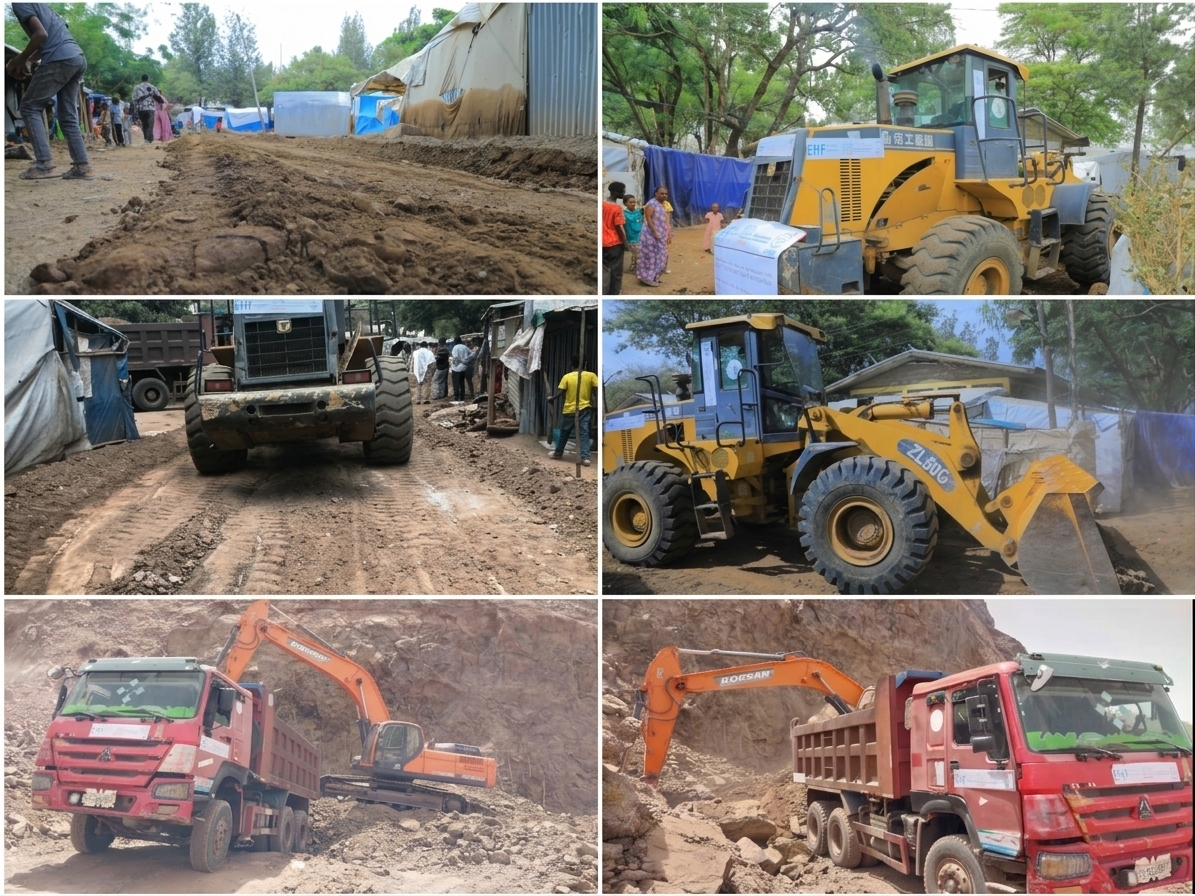
Internal Road Rehabilitation at Shire High School IDP Site
Internal Road Rehabilitation at Shire High School IDP Site
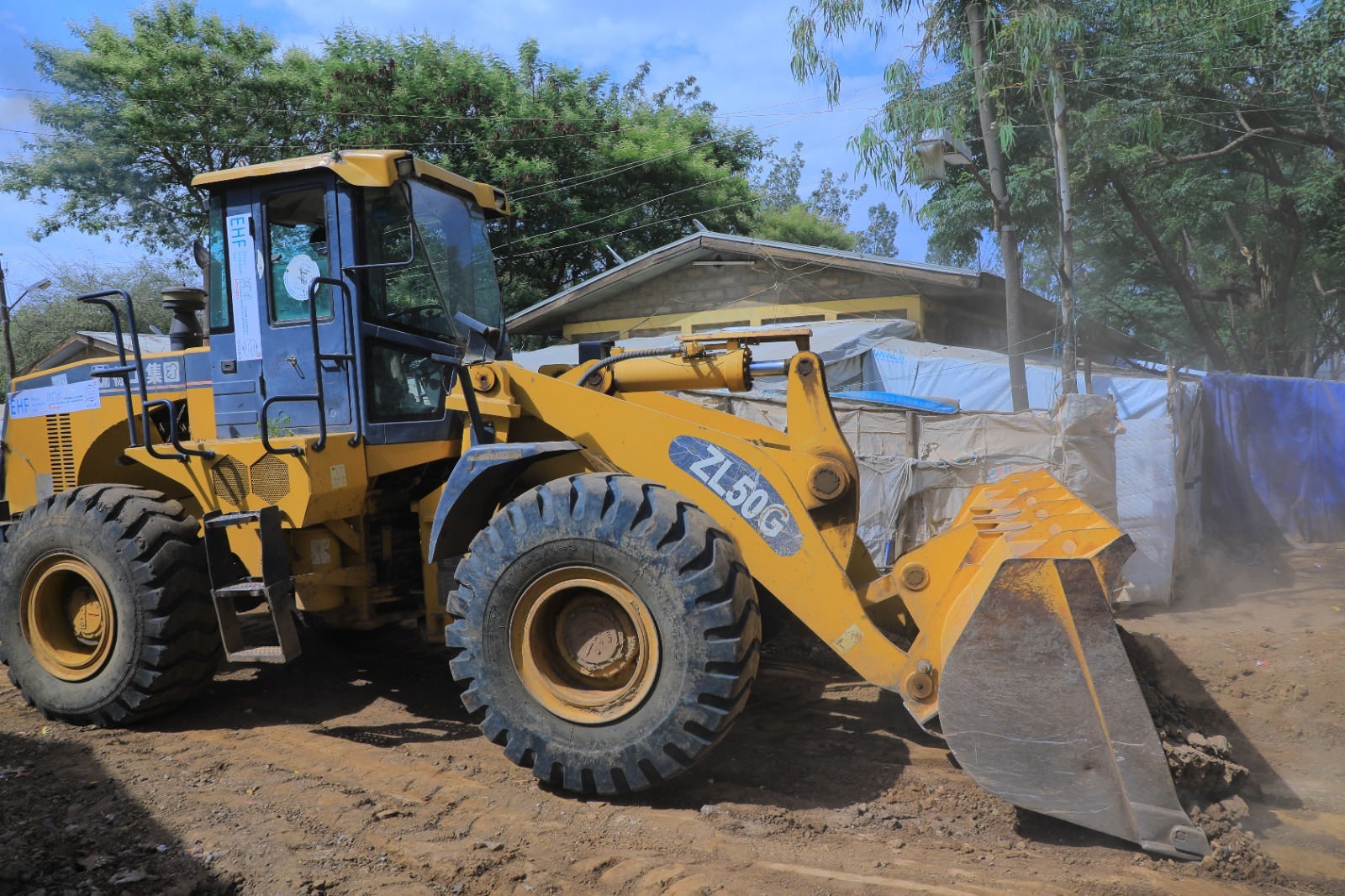
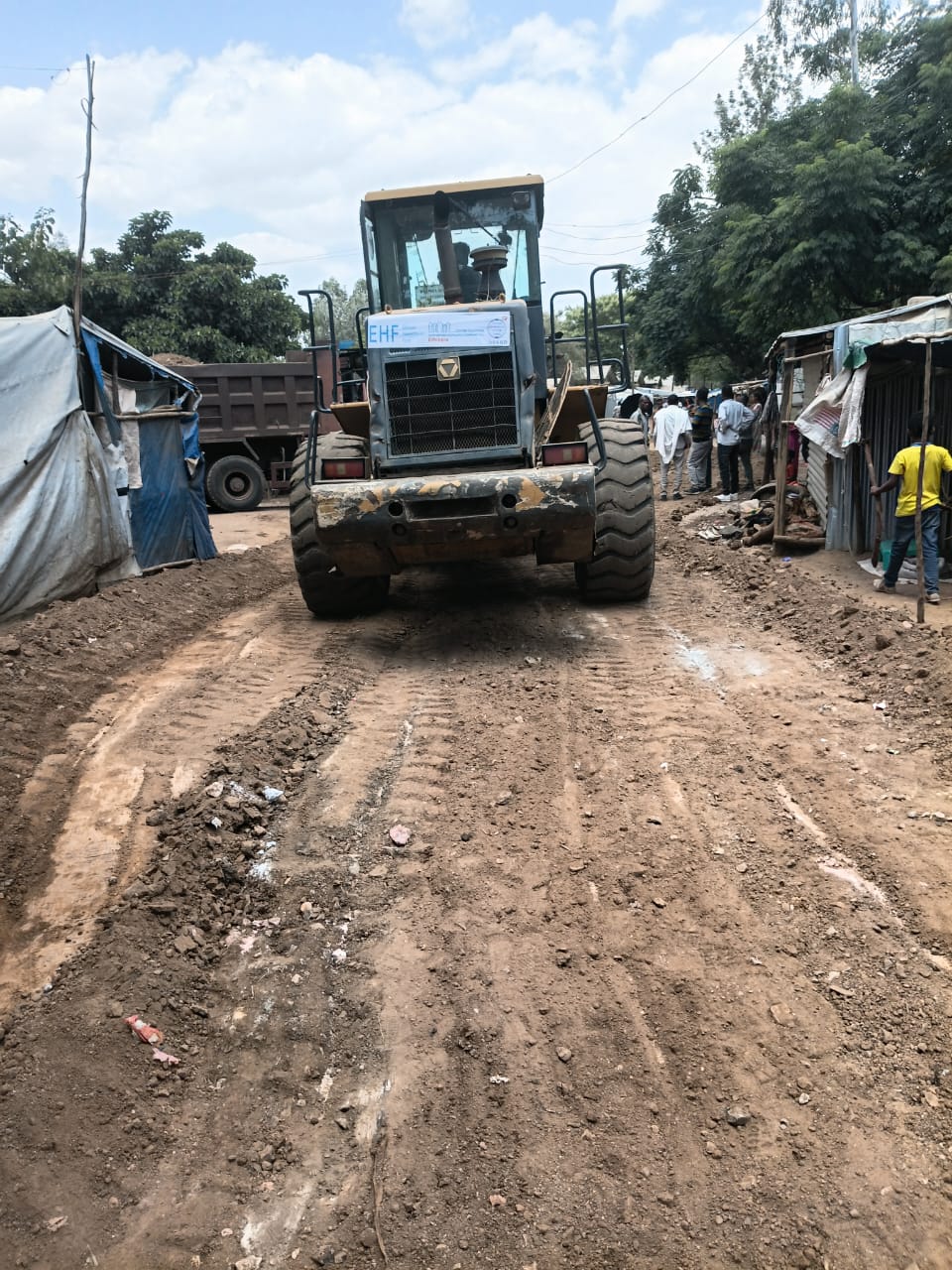
OSSHD, with support from the Ethiopia Humanitarian Fund (EHF) under the Integrated Camp Coordination and Camp Management (CCCM) program, has successfully completed the rehabilitation of internal access roads at Shire High School IDP Site in Tigray Region, Ethiopia.
🚧 The intervention covered:
700 meters in length
6 meters in width
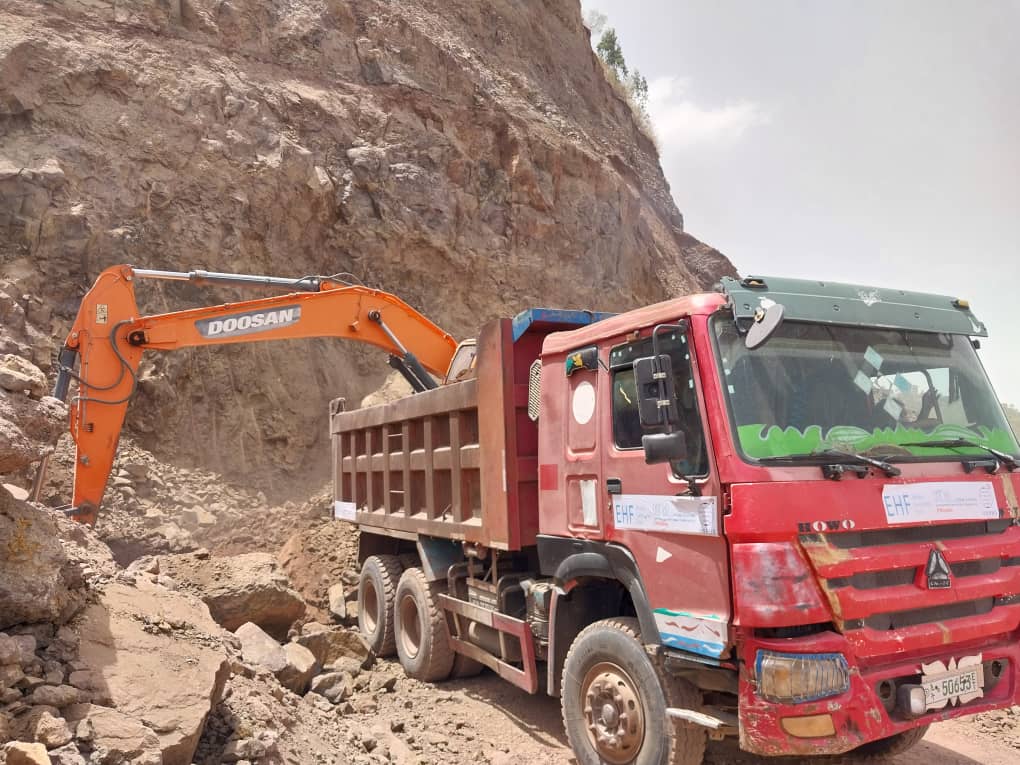
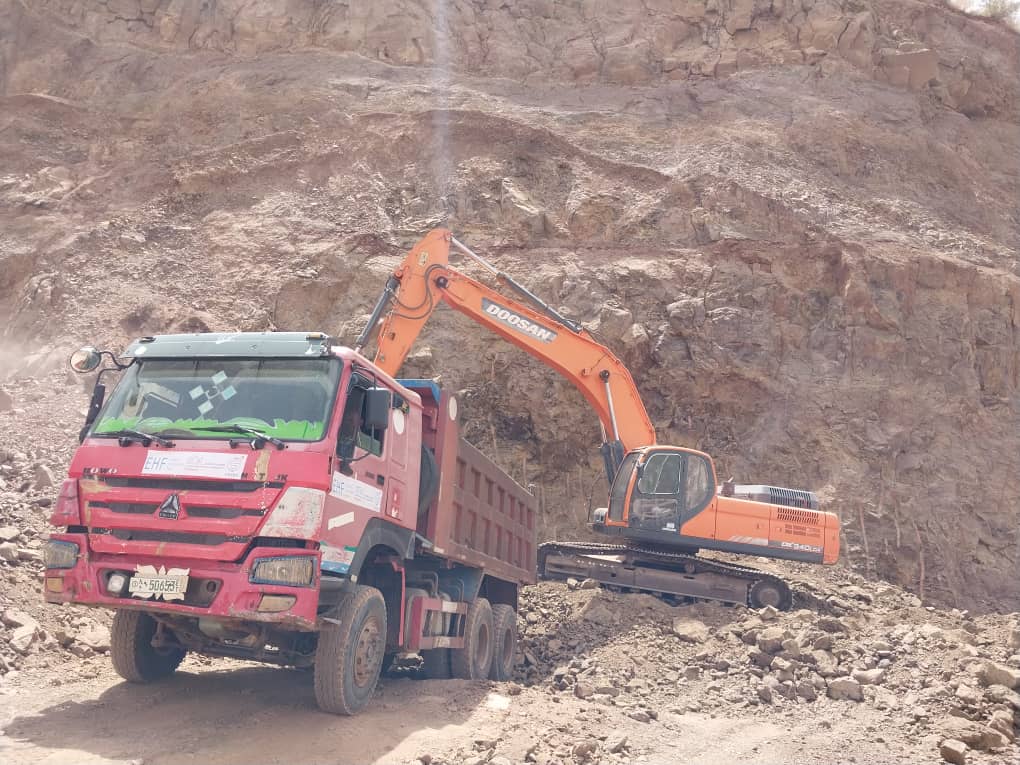
The works were carried out using heavy machinery, including a loader, grader, roller, water tanker, and dump trucks. This essential rehabilitation has significantly improved access to key communal facilities, including latrines, showers, schools, and community halls.
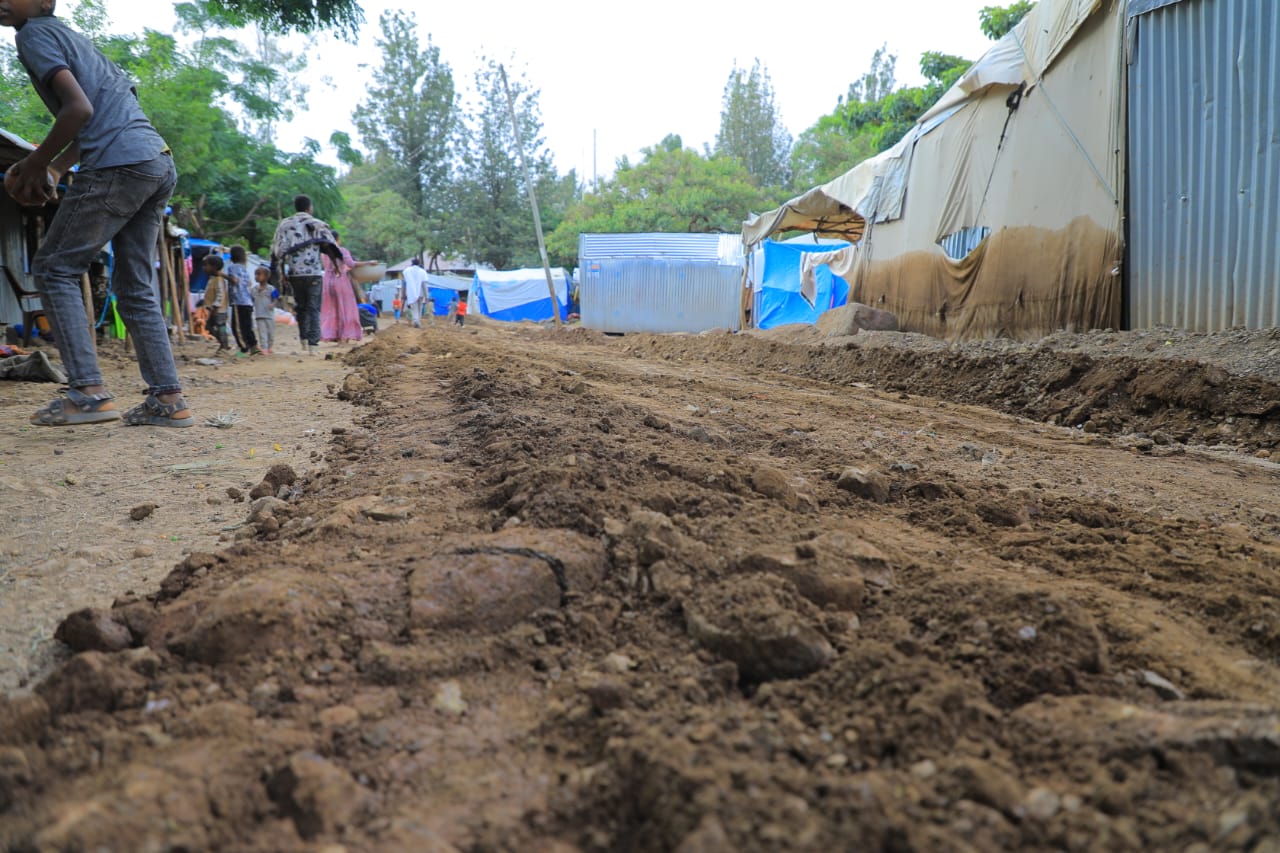
Previously, the site faced severe access challenges during the rainy season, when muddy and impassable roads restricted movement for both IDPs and service providers.
With the completion of this intervention, mobility, access to essential services, safety, and overall living conditions for displaced communities are expected to improve, particularly during periods of heavy rainfall.
OSSHD remains committed, with the support of the EHF, to delivering life-saving CCCM interventions that strengthen access to essential services and enhance the safety and well-being of displaced communities.
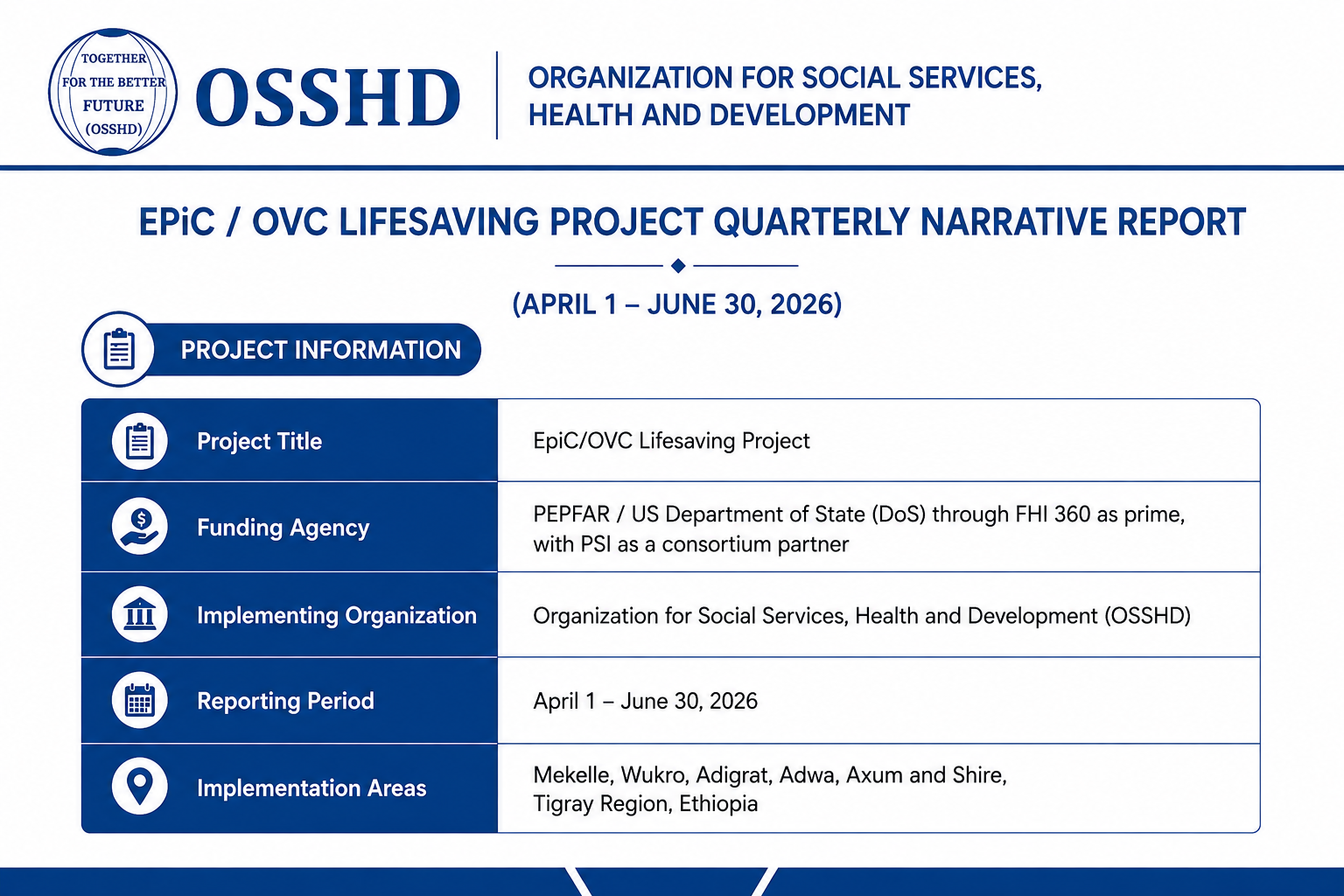
EPiC / OVC LIFESAVING PROJECT QUARTERLY NARRATIVE REPORT (APRIL 1 – JUNE 30, 2026) PROJECT INFORMATION
EPiC / OVC LIFESAVING PROJECT QUARTERLY NARRATIVE REPORT (APRIL 1 – JUNE 30, 2026) PROJECT INFORMATION
The Organization for Social Services, Health and Development (OSSHD), through the Meeting Targets and Maintaining Epidemic Control (EpiC) project’s Orphans and Vulnerable Children (OVC) lifesaving component, continues to support vulnerable children, adolescents, and families affected by HIV in Tigray. Implemented across high HIV-burden areas and 23 health facilities, the program focuses on restoring access to essential HIV and social support services, strengthening family-centered case management, improving HIV case finding and referral systems, and supporting children and adolescents living with HIV to remain in care and achieve viral load suppression. During the reporting period, the program reached 7,069 OVC through essential services and supported 1,165 children and adolescents living with HIV. The program also strengthened community-to-facility linkages for HIV testing, treatment, adherence, and viral load monitoring. The quarter demonstrated the value of community-based case management, bidirectional referral systems, familycentered support, psychosocial services, and close collaboration with health facilities and community structures in improving access to HIV services and treatment outcomes for vulnerable children and families.
KEY ACHIEVEMENTS
• OVC_SERVE: Reached 7,069 OVC through essential services, achieving 101.51% of the annual target.
• OVC_HIV_Stat: Supported HIV status knowledge among 4,642 OVC, achieving 101.10% of the annual target.
• OVC_Test_Report: Referred 3,865 OVC at risk of HIV for HIV testing and completed testing (95.4%).
• OVC_Test_Post: Identified 78 newly diagnosed HIV-positive children, representing 96.3% achievement against the annual target.
• OVC_ENROLL: Enrolled 1,165 children and adolescents living with HIV, achieving 100.43% of the annual target.
• OVC_VL_ELIGIBLE: Identified 1,107 OVC eligible for viral load testing and completed testing for all 1,107, achieving 101% and 100%, respectively.
• OVC_VLR: Obtained viral load results for 1,082 CALHIV, achieving 97.7%.
• OVC_VLS: Viral load suppression among 1,047 CALHIV, achieving 96.80%.
• Strengthened community-to-facility linkages, family-centered case management, referrals, adherence support, and psychosocial services across 23 health facilities.
PROGRAM COMMITMENT
Through continued collaboration with government institutions, health facilities, community care coalitions, development partners, and other service providers, OSSHD remains committed to protecting vulnerable children and families and strengthening sustainable, integrated HIV and social support services in Tigray.